

How Will Our Descendants Remember Us 100 Years From Now?
"What our descendants truly need is not the result-oriented myth of 'how they succeeded,' but the desperate process of 'how they endured.'
- More than the glittering pyramids of success, the traces of failure and frustration serve as a more urgent survival map for future generations.
- Unrecorded immigration history is nothing but a monologue scattering into the void… A museum is a basecamp for the future.
- Preserving the history of overseas Koreans is a solemn cultural duty that establishes the backbone of a global Korean network.
I imagine a day exactly 100 years from now, in 2126. A fourth or fifth-generation descendant living in Canada, or perhaps somewhere else in the world, opens a search bar to find their roots. What image of us will they encounter? Will it be tales of heroes who achieved "economic success" found in faded news clips? Or will it be the vivid, living breath of ordinary people who struggled fiercely to maintain their identity in a strange, distant land? This question is not merely one of curiosity; it is about the solemn responsibility we, living in this era, bear before history.
There is an old adage that history is the record of the victors. However, for immigrants, this phrase often becomes a cruel tool of oblivion. We habitually try to record only stories of success: know-how on sending children to prestigious universities, self-made stories of rising from the bottom to become leaders in mainstream society, or photos of flashy inauguration ceremonies for association presidents. Of course, these are our proud assets. But the true power of history lies not in the "light," but in the "shadows."
What our descendants truly need is not the result-oriented myth of "how they succeeded." What they genuinely want to know is the desperate process of "how they endured." The nights spent feeling helpless before language barriers, the tears shed after being deceived by a trusted fellow countryman, the conflicts with children due to cultural differences, and the sheer will that forced them to open the shop doors at dawn despite all those trials. Success stories provide momentary pride, but records of overcoming failure and frustration become textbooks that teach future generations how to survive. The "real history" we must leave behind lies precisely here. What should be displayed in a museum is not just sparkling trophies, but worn-out work boots and English letters rewritten countless times.
When we turn our gaze to the paths taken by other ethnic groups who have rooted themselves in the same land, our delay feels even more painful. The Nikkei National Museum in Vancouver displays the humiliation of forced internment experienced by Japanese Canadians without reservation, while museums in Chinatown have built the discrimination of the Head Tax and the hardships of railway labor into a massive fortress of records. What of the Jewish museums or the Ukrainian cultural heritage villages in Montreal and Toronto? They have crafted their immigration history not as a simple reminiscence of the past, but as an indispensable puzzle piece constituting the national identity of Canada. Through proper museums, they present a "title deed" to mainstream society, declaring, "We survived here in this way; therefore, we are owners of Canada." This is why our self-deprecating question, "Why can’t we do that?" goes beyond simple envy and approaches us as a desperate task for survival.
Looking at the Jewish community or Japanese immigrant society, one discovers a terrifying persistence in their attitude toward records. They unreservedly record and preserve not only moments of glory but also histories of shameful discrimination, persecution, and even internal division and conflict. For them, a museum is not simply a space where the past is stuffed and mounted. It is a vast school teaching descendants, "We made these mistakes, so do not repeat them," and a spiritual sanctuary that solidifies communal bonds. Conversely, what is our reality? There are many excellent individual histories, but there is no common library to weave them together. Unrecorded memories vanish with the death of the individual. This is not just the death of a person; it is the evaporation of an era.
This is why the establishment of an Immigration History Museum is urgent for the Korean Canadian society and, by extension, the global Korean diaspora. This is not merely a proposal to construct a building. It is a call to collect scattered materials, record the oral histories of the disappearing first generation, and create a digital archiving system. in this process, we must not hesitate to gather records of failure just as much as records of success. Shameful history is still history. When our trials and errors remain as records, descendants can use them as signposts to move toward a better path.
At this point, I would like to offer a cold-headed suggestion to the South Korean government, the Overseas Koreans Agency, and relevant policy makers. The construction and support of immigration history museums abroad should not be approached as welfare or charity for overseas communities. The history of the 7.5 million overseas Koreans spread across the globe is an expansion of the horizons of South Korean history. Managing the records of those living with a Korean identity outside the territory is the surest investment in expanding cultural territory and creating a focal point for a global Korean network.
The approach of simply saying, "We will provide the budget, so build the building," must be avoided. The content is what matters. Support should be focused on professional curatorship and the establishment of digital platforms so that each local community can excavate historical materials reflecting their specific characteristics and classify and preserve them systematically. Just as the history of Korean immigration to Canada differs from that of the U.S., and the history of miners sent to Germany differs from agricultural immigration to South America, we will possess a true global network only when these unique regional narratives gather to form a "Grand Series of Korean Immigration History."
We also need an internal awakening. If, 100 years from now, our descendants look through our records and find them full of nothing but community noise, power struggles, and photos of superficial events, how embarrassing would that be? The act of leaving a record is, in itself, a vow to live a life worthy of being recorded. To ensure that our current selves displayed in the museum of the future are not shameful, we must constantly ask ourselves what values our community should aim for right now. We must be vigilant, again and again, to ensure that irrational and undemocratic decisions do not remain as records to be mocked by future generations. A physical museum made of bricks is important, but before that, let us take the albums sleeping in the closets of every home, and record the fading stories of our parents' generation. And let us demand a "repository of memory" that can gather these fragments.
100 years from now, when our descendants remember us, I hope we are remembered not simply as "ancestors who worked hard and made a lot of money," but as "thoughtful ancestors who kept their dignity even amidst countless failures and frustrations, and left that wisdom in records to guide us." That is the greatest legacy that we, in 2026, can leave for the future. History does not come to those who wait; it is eternal life granted only to those who record.
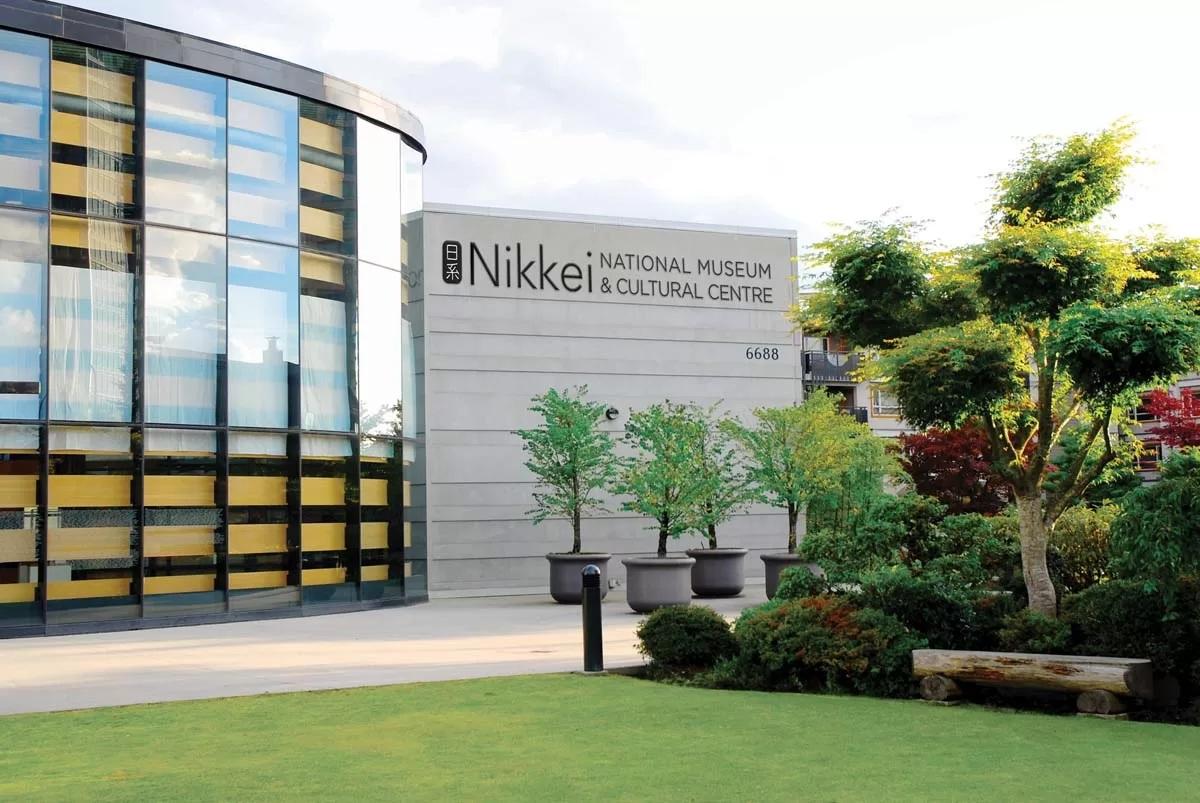
Nikkei National Museum & Cultural Centre
Opened in Burnaby, Vancouver, in 2000, this place silently testifies to the time of discrimination and endurance experienced by Japanese Canadians. In particular, rather than hiding the shameful history of forced internment and property confiscation committed during World War II, they revealed it to the world as a painful lesson. The beautiful Japanese garden and vast archives have become a solid center point that heals past wounds and binds the community together. Their silent eloquence, saying "We will never let this happen again," presents us—who do not yet possess a proper record—with both cool envy and a heavy task.
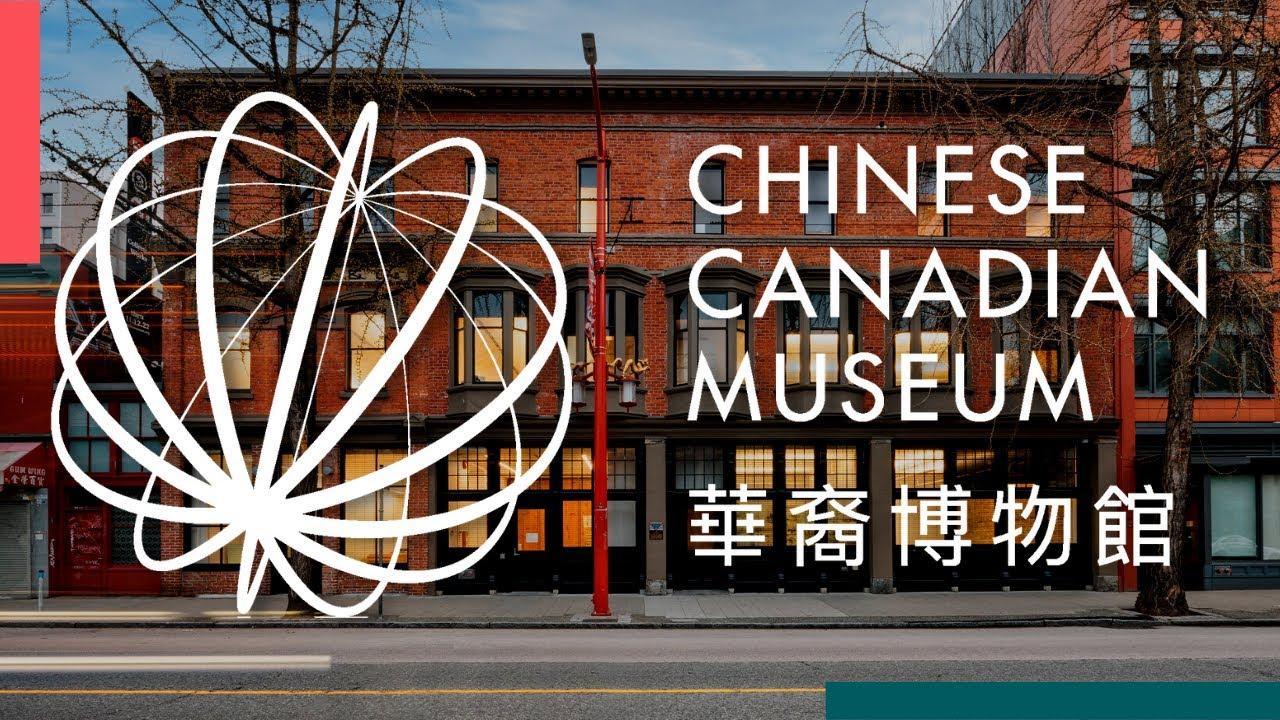
Chinese Canadian Museum (華裔博物館)
Located in the Wing Sang Building, the oldest building in Vancouver's Chinatown, this museum silently holds the blood and sweat of ancestors shed to lay the transcontinental railroad and the 100-year sorrow of enduring the harsh discrimination of the Head Tax. Opened in 2023, this space is not a simple memoir of the past. It is a sanctuary that testifies to the tenacious vitality of those who broke through the era of all kinds of contempt and the Exclusion Act to finally stand tall as owners of this land. Through this red brick house, they are shouting to us without a sound: that which is not recorded disappears.
(This content was created using generative AI, with partial edits and reviews by the administrator.)